AI Fundamentals & Vocabulary Selection Criteria

What Should Decide Which AI Assistant Your Organization Standardizes On?

Choosing the Right AI Assistant

Free PDF Updated The Jonesi Consultancy
Tool Selection Procurement Criteria For IT & Leadership Decision Aid
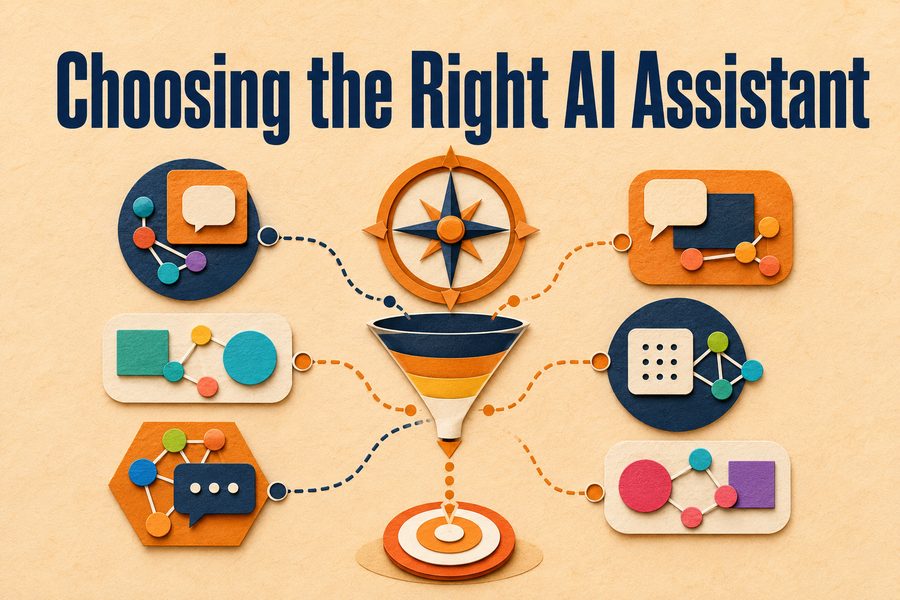
Choosing the Right AI Assistant cover image
Download the Free PDF

Free. No email list, no follow-up sequence.

About this resource

What this guide covers

This is the organizational version of the model question. Where Which AI Model Should I Use? compares assistants by task for an individual, this covers the criteria that should decide what an organization standardizes on, which are mostly not capability criteria.

It works through what you already license and whether an AI capability is already included, the data handling and retention terms and how they differ by tier, whether an organizational account with administrative control is available, integration with the systems your work actually runs on, support and escalation when something breaks, and the cost of switching later. Capability comes last deliberately, because for most organizations the first five criteria eliminate the field before capability is reached.

Capability is the sixth criterion, not the first. For most organizations the earlier five have already settled the question by the time it comes up.

How to use it

Purpose, and how this will help

Work the six criteria in order and stop when the field narrows to one. Most organizations reach a decision by criterion three without ever comparing capability, and that is the correct outcome rather than a shortcut: an assistant your people can access through a governed organizational account beats a marginally better one they have to use on personal logins.

Inside the download

What you'll take away

1

Check what you own

AI capability may already be included in a platform you license, which is the most common finding.

2

Compare data terms

Retention, training use, and how the answer changes by subscription tier.

3

Require an org account

Administrative control, and why personal accounts are not a substitute.

4

Weigh integration honestly

Whether it connects to the systems your work actually runs on.

Who this is for

  • IT and procurement leaders selecting an organizational standard
  • Executives approving an AI subscription at scale
  • Operations leaders consolidating fragmented tool use
  • Finance leaders assessing what is already being paid for

Common questions

Frequently asked

How should a company choose an AI assistant?

Start with what you already license, since AI capability is increasingly bundled into platforms you pay for. Then compare data handling and retention terms, confirm an organizational account with administrative control is available, assess integration with your actual systems, check support and escalation, and price the cost of switching later. Capability comes after all of those.

Should everyone in a company use the same AI assistant?

Usually yes at first. Fragmented tool use means no prompt, procedure, or piece of training transfers between teams, and it multiplies the governance surface. A second tool becomes worth adding when a specific capability gap is genuinely blocking work.

What is the difference between a personal and an organizational AI account?

Administrative control, different data handling terms, and audit visibility. Personal accounts typically carry weaker retention and training terms, cannot be centrally managed, and leave the organization with exposure it cannot see. This is usually the single most consequential difference in the whole selection.

Download the Free PDF

Free. No email list, no follow-up sequence.

Keep Reading

Related Resources

More from the resource library, chosen because they pair well with this one.